
Month by month
Hwange in January
The wettest month on Hwange's calendar turns the park's logic inside out. Rain fills every natural pan, the pumped waterholes lose their monopoly on life, and the herds that queued at them in October melt into the long grass.
If you only want the answer
January is Hwange at its emptiest and greenest, with 191 mm of rain across the month. The park stays open throughout, but you trade guaranteed sightings for storm skies, newborns and birding at the year's lowest rates.
January weather: what 191 mm actually does
The thirty-year normals put January at the top of the rainfall table: 191 mm across 20 rain days, with days of 29.0°C and nights of 19.3°C. Hwange has no permanent rivers, so in the dry months roughly sixty pumped waterholes hold the entire park to a few hundred metres of mud. In January that engine idles. Natural pans brim everywhere on the Kalahari sand, and the game spreads across 14,650 square kilometres of shoulder-high grass.
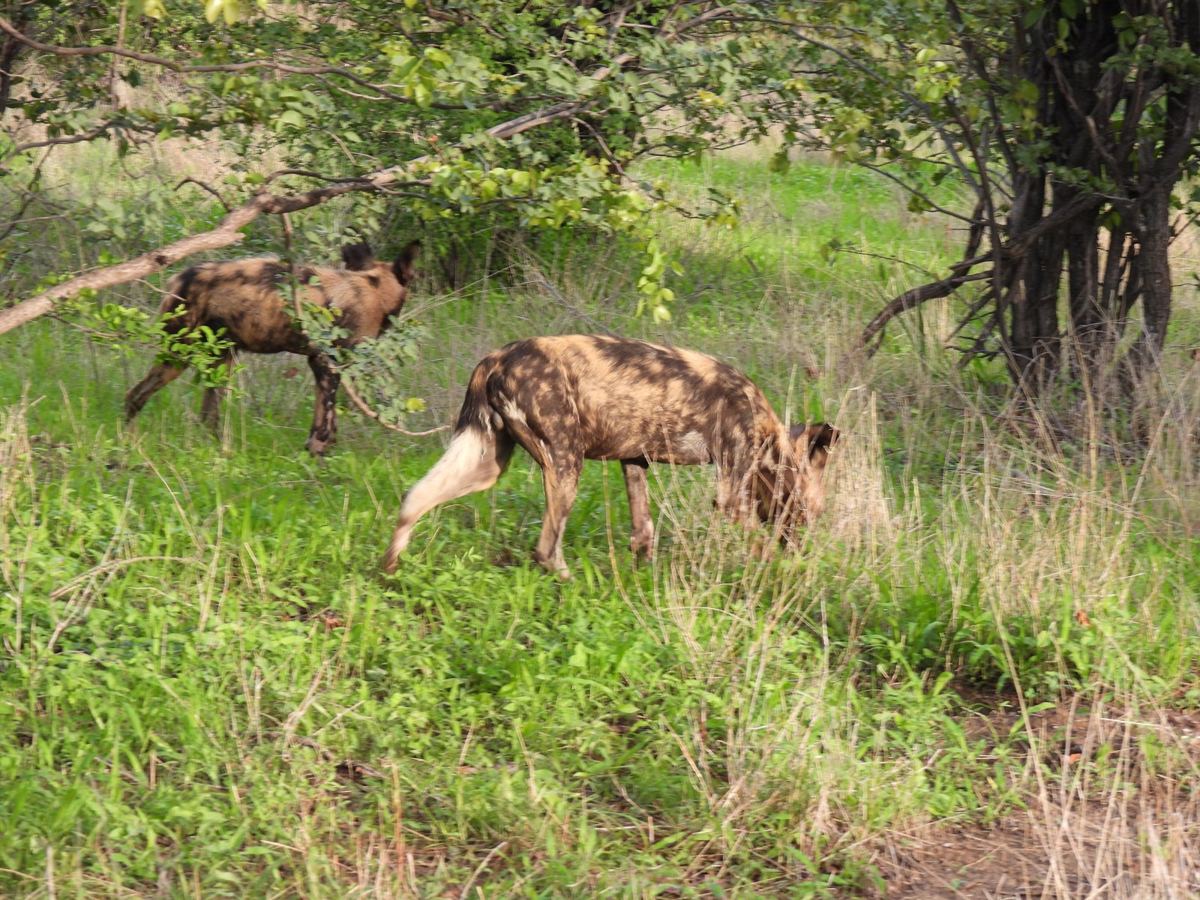
You will still see elephants, and you will see them wet, happy and surrounded by calves. What you will not get is the compressed spectacle the famous photographs promise. Come for the green, not the queue at the pan.
Where the odds improve
The south-east is the January play. The Ngamo Plains on the Linkwasha side turn into open grassland where zebra and wildebeest gather on the fresh flush, and open country keeps sightlines honest when the rest of the park has vanished behind grass. Migrant birds are in full residence, and the light after an afternoon storm is the best of the whole year.
The lodges know this, which is why the Wilderness and Somalisa camps stay open through the rains at green-season rates that undercut September by hundreds of dollars a night.
Driving, closures and booking
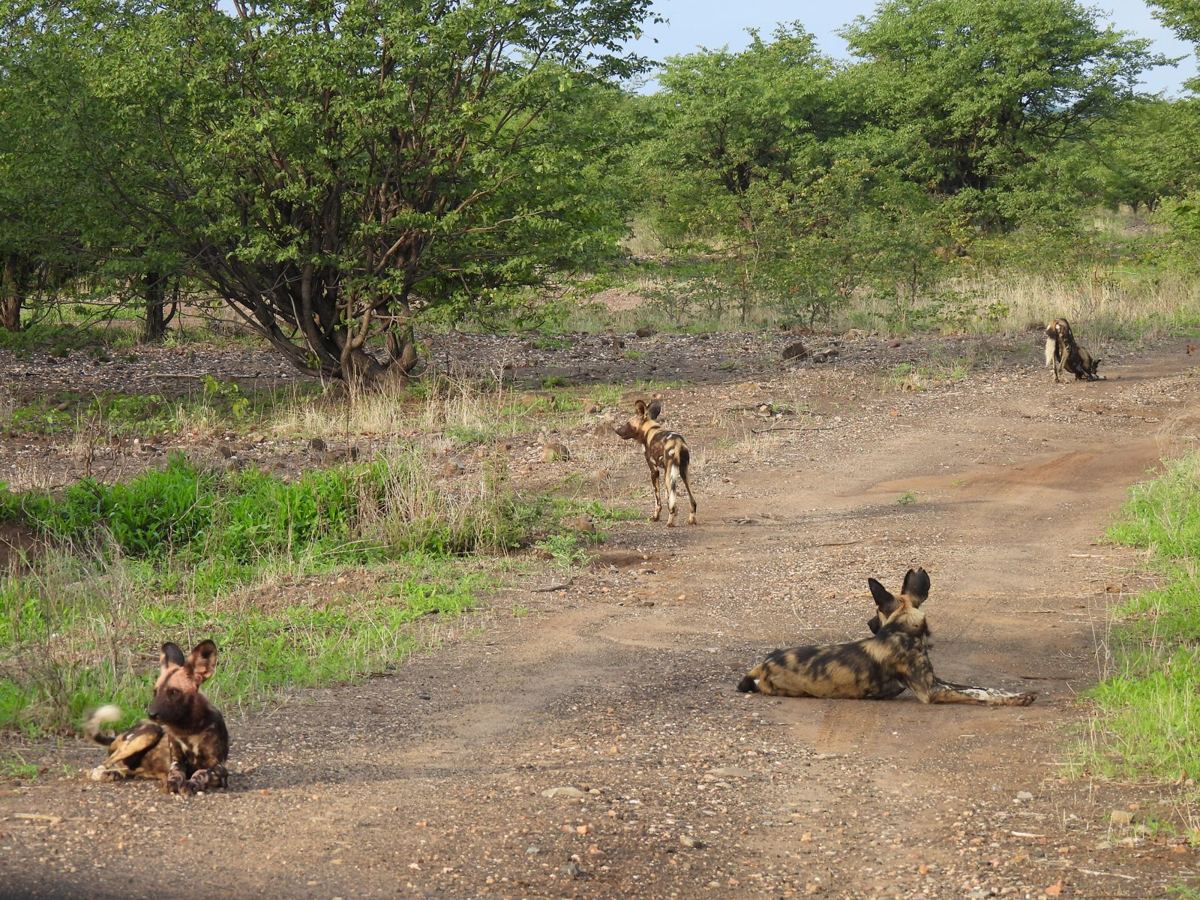
You need a genuine 4x4 from December to March, and the black-cotton soil in the Robins and Sinamatella sectors is the trap: fine when dry, glue after a storm. Hwange Bush Camp and Kapula sit out the rains entirely, and Jozibanini may take a short break, but almost every other camp on the park's books runs year-round.
A January tip no brochure prints: enter through Main Camp off the Dete tar and treat the ten kilometres to Nyamandhlovu Pan as your bad-weather insurance, because that stretch usually stays passable after storms that close the deeper sand loops. Booking pressure is zero; you can decide this trip a week out.